Understanding the Importance of Quality Planters
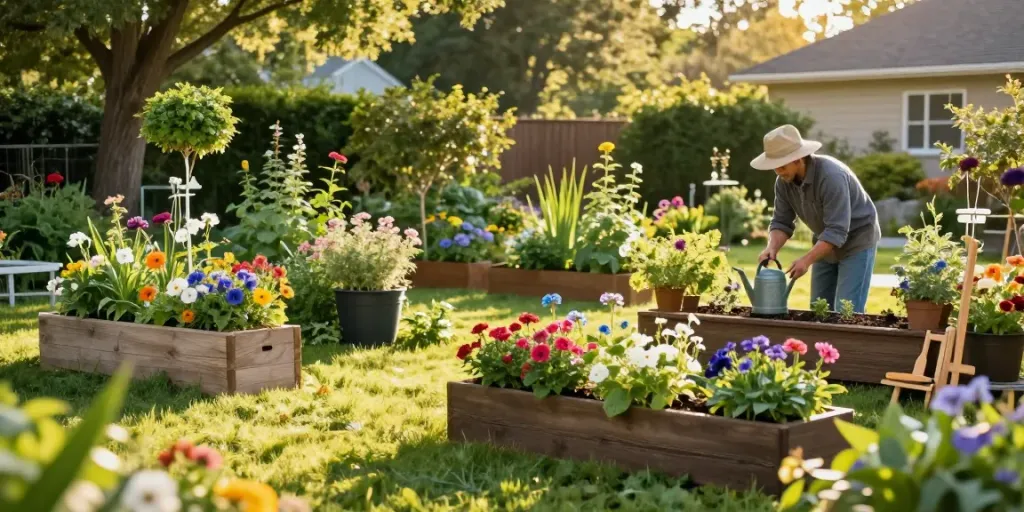
Choosing the right planter is critical for the success of your gardening endeavors. Quality planters not only enhance the aesthetic appeal of your outdoor space but also provide a suitable environment for plants to thrive. When exploring options, idealistplanters.co.uk offers a diverse range of planters that cater to various gardening needs. From material choices to design aesthetics, understanding what makes a planter suitable for your garden can significantly impact plant health and growth.
Why Material Matters in Garden Planters
The material of your planter plays a pivotal role in the overall health of your plants. Common materials include plastic, ceramic, and metal, each offering unique benefits and drawbacks. For instance, plastic planters are lightweight and versatile, ideal for those who want portability. However, they might not regulate temperature as effectively as ceramic or terracotta options, which provide better insulation. Moreover, natural materials like wood can add an organic touch but may require more maintenance to ensure durability against the elements.
Choosing the Right Size and Shape
Planter size and shape significantly influence the growth of your plants. A common mistake is choosing planters that are either too small or too large for the plants being grown. Small planters can restrict root development, while excessively large planters may lead to overwatering issues. The shape of the planter also impacts growth; for example, wider planters allow for root expansion in multiple directions.
Environmental Impact of Planter Selection
In today's eco-conscious world, selecting environmentally friendly planters is more important than ever. Opting for sustainable materials, such as recycled plastics or biodegradable options, can minimize your carbon footprint. Additionally, using planters designed for efficient water drainage can help conserve water, thus promoting sustainable gardening practices.
Common Gardening Mistakes to Avoid
Even seasoned gardeners can fall into common traps. Understanding these pitfalls will not only enhance your gardening skills but also ensure your plants flourish. From watering practices to soil choices, avoiding these mistakes will lead to a healthier garden.
Overwatering vs. Underwatering: Finding the Balance
Proper watering is one of the most critical elements in plant care. Overwatering can lead to root rot, while underwatering can cause stress and stunted growth. To find the right balance, it's essential to understand the specific needs of your plants and adjust your watering schedule accordingly. Using planters with adequate drainage can help mitigate the risks associated with both over- and underwatering.
Ignoring Sunlight Needs of Plants
Plants have varying light requirements, and neglecting these can severely limit their growth potential. It is crucial to assess the sunlight exposure in your garden and select plants that match these conditions. For instance, succulents prefer bright, direct sunlight, while ferns thrive in shaded environments. Always research your plant's requirements to ensure they are placed in the optimal conditions.
Neglecting Soil Quality: A Critical Factor
The quality of soil in your planters is just as important as the planters themselves. Poor soil can hinder plant growth, making it essential to use nutrient-rich, organic potting mixes. Additionally, regularly updating your soil can help maintain plant health, as nutrients can deplete over time.
Best Practices for Plant Care in 2026
As we embrace new gardening techniques and technologies, staying updated on best practices can enhance your gardening experience and lead to more vibrant plant life. Here are some best practices to keep in mind as we head further into 2026.
Choosing Plants Suited for Your Climate
Selecting plants adapted to your local climate is crucial for gardening success. Understanding your hardiness zone can guide you in choosing plants that will thrive in your environment, reducing the risk of failure and promoting healthy growth.
Implementing Sustainable Gardening Techniques
Incorporating sustainable practices into your gardening routine can have long-lasting benefits. Techniques such as companion planting, crop rotation, and organic pest control not only enhance plant health but also support ecosystem balance. Choosing eco-friendly planters can further solidify your commitment to sustainable gardening.
Utilizing Technology for Better Plant Monitoring
Modern technology can play a significant role in effective gardening. Devices such as soil sensors, automated watering systems, and plant health monitoring apps provide real-time data that can help you make informed gardening decisions. Embracing these technologies can lead to a more efficient and productive gardening experience.
Real-World Examples of Successful Gardens
Understanding the practical application of gardening principles can inspire and guide newcomers and experienced gardeners alike. Here are some examples of successful gardens that showcase best practices.
Community Garden Initiatives and Their Benefits
Community gardens have gained significant traction, providing not just food but also a sense of community and shared responsibility. These gardens often utilize best practices, including sustainable methods and proper planter selections, leading to increased biodiversity and enhanced local food security.
Case Studies of Homeowners’ Transformations
Many homeowners have successfully transformed their outdoor spaces by implementing strategic planting and choosing the right planters. For example, a simple backyard can become a vibrant oasis by selecting plants that complement each other and enhance the natural beauty of the environment.
Landscapers' Best Practices and Designs
Professional landscapers often employ innovative designs that incorporate functional and beautiful planters. By tailoring gardens to specific environments, they create spaces that not only look good but also promote healthy plant growth and biodiversity.
Future Trends in Gardening and Planters
As gardening evolves, staying ahead of trends can provide new opportunities for enhancing outdoor spaces. Here are some future trends to keep an eye on.
Increasing Popularity of Self-Watering Planters
Self-watering planters are gaining popularity for their ability to simplify watering tasks and promote healthy root systems. These planters utilize a reservoir system, ensuring that plants receive consistent moisture, making them a smart choice for busy gardeners.
Emerging Plant Varieties for Urban Gardening
Urban gardening is expanding, leading to the rise of new plant varieties that are suited for limited space and diverse conditions. Varieties that thrive in smaller planters or that can be grown vertically are becoming increasingly popular among city dwellers looking to enhance their green spaces.
Innovations in Eco-Friendly Planter Designs
As the demand for sustainable products rises, innovations in eco-friendly planter designs are on the rise. From biodegradable materials to planters made from recycled content, these products are designed to minimize environmental impact while maximizing plant health.
What plants are best for outdoor planters?
When choosing plants for outdoor planters, it is crucial to consider factors such as climate, sunlight exposure, and the planter's size. Some popular choices include petunias, herbs, and succulents, which thrive in various conditions and complement each other aesthetically.
How can I ensure my planters are sustainable?
To ensure sustainability in your planters, opt for materials that are eco-friendly and promote longevity. Consider using recycled materials or biodegradable options that minimize waste. Additionally, choose planters designed for water conservation to support sustainable practices.
What are the advantages of using self-watering planters?
Self-watering planters are advantageous as they provide plants with a consistent moisture level, reducing the risk of overwatering and promoting healthy root development. They are ideal for busy gardeners or those who may forget to water regularly.
How often should I replace my outdoor planters?
Planters should be replaced when they show signs of wear, such as cracks or significant fading. Additionally, if the planter no longer meets the needs of your plants or the aesthetic of your garden, it may be time for an upgrade.
What gardening tools are essential for planter care?
Essential tools for planter care include pruning shears, a trowel, watering cans with precision nozzles, and soil moisture meters. These tools help maintain plant health and ensure that your planters remain in optimal condition.